Illinois Law Signed by Pritzker Lets People Sue ICE Agents, and the Trump DOJ Is Suing to Block It
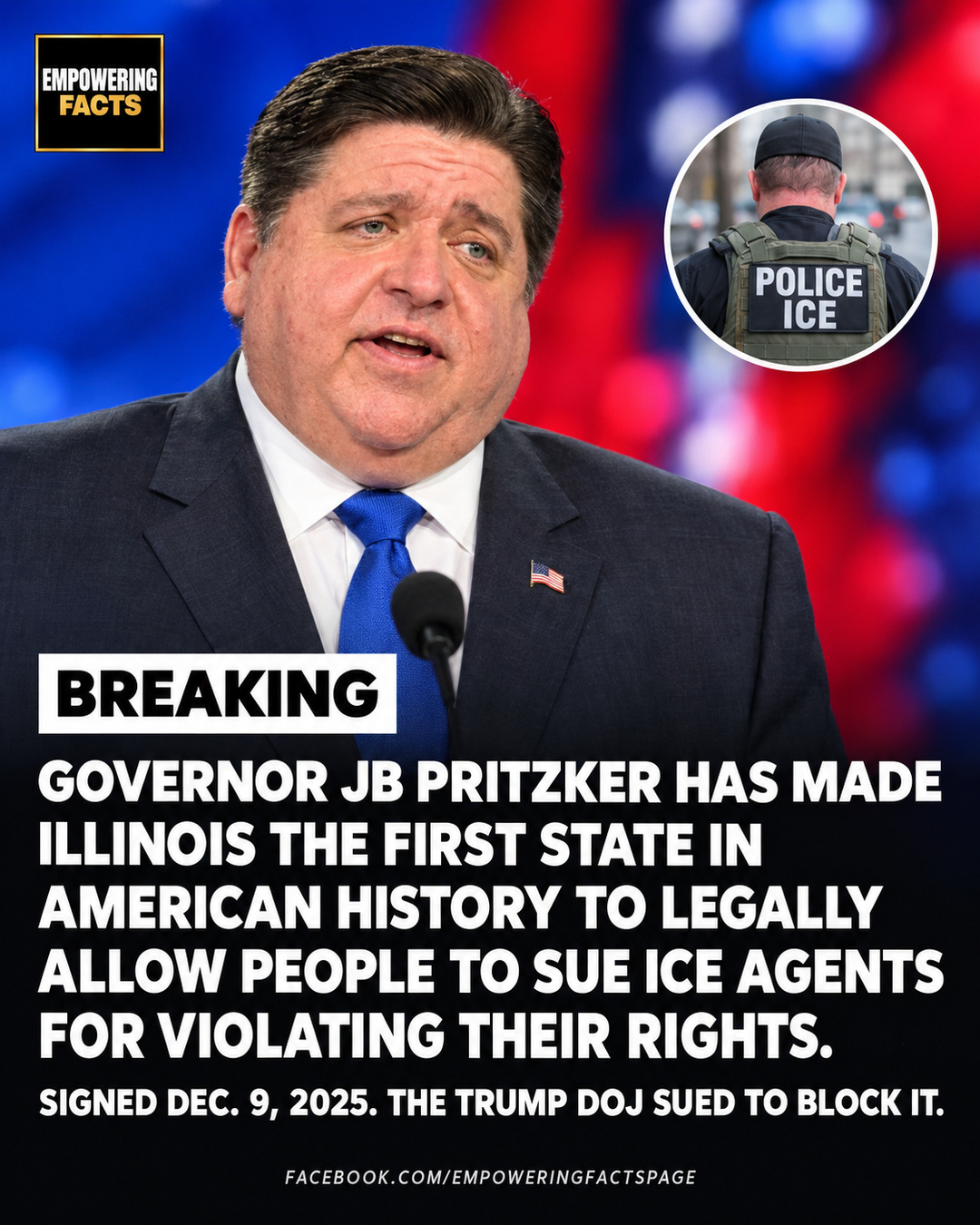
Illinois now has a law that lets people sue ICE agents in state court, and the Trump administration is in court trying to stop it.
Governor JB Pritzker signed the measure on December 9, 2025. The bill text says: "Any person may bring a civil action against any person who, while conducting civil immigration enforcement, knowingly engages in conduct that violates the Illinois Constitution or the United States Constitution." Those found liable can owe $10,000 in statutory damages.
The law does more than open the door to lawsuits. It also bans civil immigration arrests inside state courthouses or within 1,000 feet of them. Courthouses had become frequent sites of arrests by agents from U.S. Immigration and Customs Enforcement and Customs and Border Protection, sometimes as people arrived for unrelated hearings. The law took effect immediately after Pritzker signed it.
The timing matters. The Democrat-led Illinois legislature passed the bill in late October, during the federal operation known as "Operation Midway Blitz." That campaign began in September 2025 and led to the arrest of more than 3,000 immigrants living in Chicago and its suburbs without legal permission. Pritzker was one of the operation's loudest critics, and the bill moved through Springfield while the arrests were still going on.
The Trump administration responded by suing Illinois in December 2025. The Justice Department argues the law violates the Supremacy Clause of the U.S. Constitution, which gives federal law priority over state law. It also argues that a state cannot regulate how federal officers carry out federal duties, and that the threat of personal lawsuits is designed to discourage enforcement.
There is a reason the law was written this way. Normally, suing a federal officer for a constitutional violation is very hard. The Supreme Court has narrowed that path over the years, leaving few ways to bring such a case in federal court. The Illinois law tries to open a new route through state court instead, with a fixed damages amount so a person does not have to prove a dollar loss.
Supporters say the law gives residents a way to hold agents accountable when rights are violated, and that no one, including a federal officer, should be above the Constitution. Critics say it puts federal officers at personal legal risk for enforcing laws passed by Congress, invites a flood of lawsuits, and could slow down enforcement across the state.
The fight is part of a larger clash between the White House and Democrat-led states over immigration. Several states and cities have limited how their own police work with ICE. Illinois goes a step further by aiming at the federal agents themselves.
The outcome of the federal lawsuit will decide whether the law stays on the books. If Illinois wins, other states could copy it. If the Justice Department wins, the ruling could set limits on what any state can do to federal officers.
Should states be allowed to let people sue federal immigration agents? YES OR NO?