Renee Nicole Good's Family Sues the ICE Agent, Stephen Miller and Kristi Noem
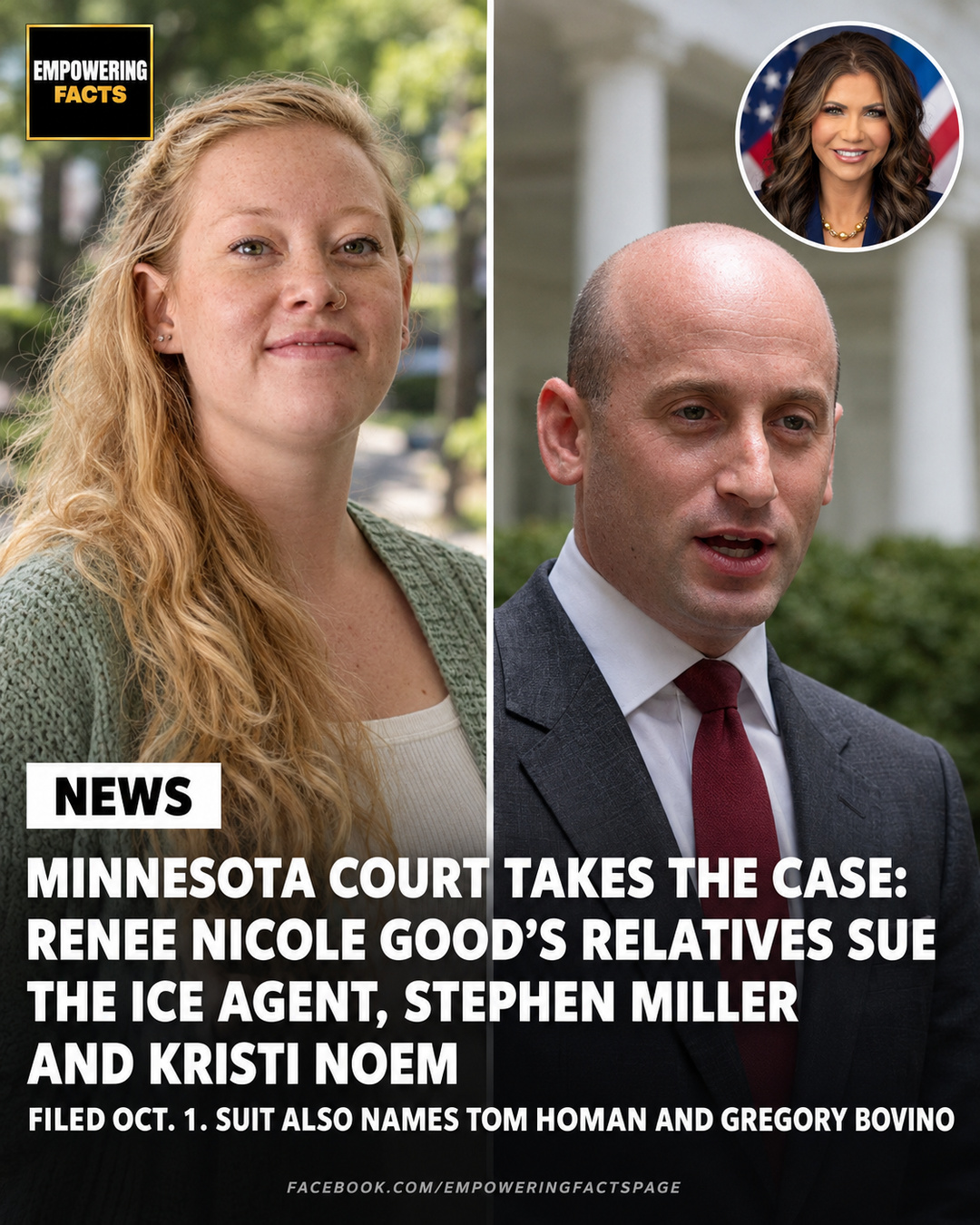
The family of Renee Nicole Good has taken her case to federal court in Minnesota, nearly nine months after she was killed by an immigration agent. The defendants include some of the most senior figures in the administration's immigration policy.
Good, a 37-year-old mother of three, was shot on January 7 by ICE agent Jonathan Ross, 43, near East 34th Street and Portland Avenue in Minneapolis. According to reports, Ross circled her vehicle from the front and fired into the driver's side window. The shooting took place during Operation Metro Surge, the Department of Homeland Security's large immigration enforcement operation in the Twin Cities. Then-Homeland Security Secretary Kristi Noem described it as part of targeted operations. Her family rejected that account, saying Good came upon the agents by chance and stopped to observe what was happening.
The shooting quickly became a flashpoint. Five days later, Minnesota Attorney General Keith Ellison filed a state lawsuit challenging the surge, arguing that thousands of armed federal agents had been sent into Minnesota communities. Within a week of the shooting, Good's family hired the Chicago firm Romanucci & Blandin.
On October 1, Good's partner, Rebecca Good, and other relatives filed two federal lawsuits.
The first is against the United States under the Federal Tort Claims Act, the law that lets people sue the federal government over harm caused by its employees. It alleges wrongful death, battery, assault, negligence and intentional infliction of emotional distress.
The second is broader and targets individuals. It names Ross, ten unidentified federal agents and a list of current and former administration officials: White House Deputy Chief of Staff Stephen Miller, former Homeland Security Secretary Kristi Noem, border czar Tom Homan, former acting ICE director Todd Lyons, political adviser Corey Lewandowski and former Border Patrol official Gregory Bovino, who led the Minneapolis operation. It claims Fourth Amendment violations and excessive force. It also invokes the Ku Klux Klan Act of 1871, a Reconstruction-era civil rights law, alleging a conspiracy to deny Good, along with Somali and Spanish-speaking residents of the Twin Cities, equal protection under the law.
The family's attorneys are Antonio Romanucci and Sarah Raisch. Romanucci represented the family of George Floyd, who was killed by Minneapolis police in 2020. "The day of accountability has arrived for our own U.S. government," Romanucci said.
The legal road ahead is long. Claims against individual federal officials often face qualified immunity, a doctrine that protects government employees from personal liability unless they violated clearly established rights. Conspiracy claims against officials who were not at the scene usually require evidence tying their decisions directly to what happened. The first major test will be whether the claims against Miller, Noem and the other officials survive early motions to dismiss.
The claims under the Tort Claims Act follow a different track, because they are brought against the government itself rather than the people who worked for it.
No ruling has been issued, and the defendants have not yet filed responses in court.
Should senior officials be held personally liable for how enforcement operations are carried out? YES OR NO?