Seniors over 65 Keeping Social Security Tax-free and Paying Zero Property Tax
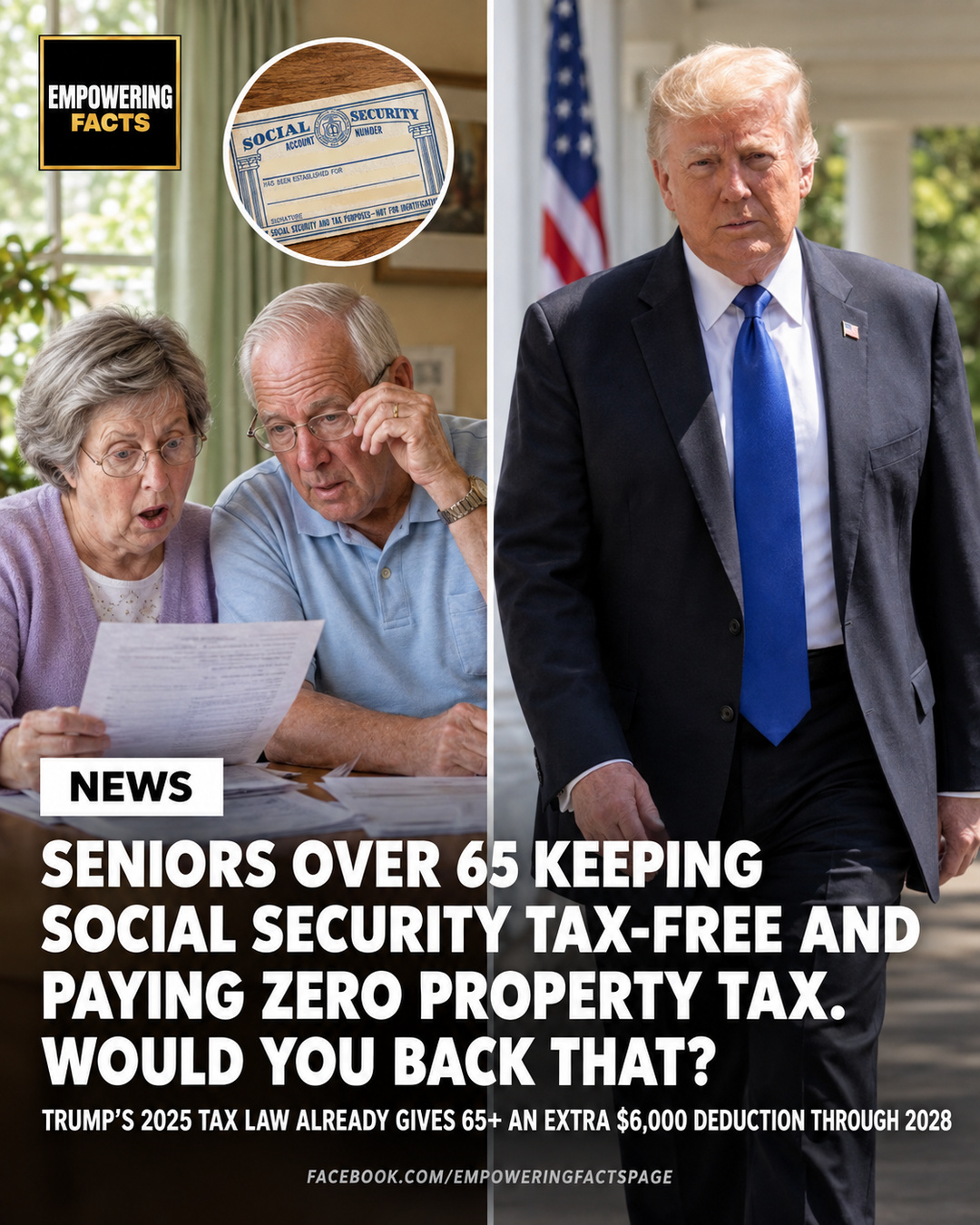
Seniors over 65 keeping Social Security tax-free and paying zero property tax. Would you back that?
Two ideas keep coming up for older Americans: ending the federal tax on Social Security benefits, and ending property taxes on homes owned by seniors. Both are popular in polls. Both are expensive. And neither is fully in place anywhere in the country today.
Start with Social Security. Depending on their total income, many retirees still pay federal income tax on up to 85 percent of their benefits. The thresholds that trigger that tax were set decades ago and were never adjusted for inflation, so more retirees get caught by them every year. Bills to end the tax completely, including the Senior Citizens Tax Elimination Act introduced by Senators Tommy Tuberville and Tim Sheehy, have been filed in Congress, but none has become law. Most states do not tax Social Security benefits at all, but a handful still do.
Property taxes are a separate fight, because they are set by states, counties and cities rather than Washington. Ballotpedia tracks a growing number of senior property tax relief measures on 2026 ballots. In Louisiana, voters will decide on November 3 whether parishes and cities can offer an additional property tax exemption to homeowners 65 and older. Similar proposals are being discussed in Kentucky and California, and several counties in Alabama and Missouri have their own senior exemption measures on local ballots.
New detail: President Trump's 2025 tax law already gives Americans 65 and older an extra $6,000 deduction on their federal taxes, for tax years 2025 through 2028. A married couple who both qualify can deduct $12,000. The deduction phases out for single filers earning more than $75,000 and couples earning more than $150,000. The White House presented it as a major step toward the "no tax on Social Security" promise from the 2024 campaign, though the deduction applies to all income, not only benefits, and it is set to expire after 2028 unless Congress extends it.
Supporters of going further say seniors on fixed incomes should not be taxed out of homes they paid off years ago, especially as home values and tax bills keep climbing. Many retirees describe property tax as rent they pay to the government on a house they already own.
Critics point to the math. Property taxes are the main funding source for public schools, police, fire departments and local roads. If seniors stopped paying, the lost money would have to be made up by younger homeowners, renters or businesses through higher rates. Ending the tax on Social Security benefits would also reduce money that currently flows back into the Social Security and Medicare trust funds.
For now, the answer depends on where you live, how much you earn, and what your state and county decide at the ballot box this November.
Would you support seniors paying zero Social Security tax and zero property tax? YES OR NO?